


Introduction
A recession is more than an economic event—it’s a psychological experience that touches every aspect of human life. When economies contract, jobs are lost, businesses close, and financial insecurity spreads, the effects are not limited to GDP statistics or stock market graphs. They reverberate through households, communities, and individual minds, shaping how people think, feel, and behave. The fear of financial instability, the erosion of social status, and the uncertainty about the future can cause significant mental and emotional strain.
The psychological impact of a recession extends beyond temporary anxiety. It influences people’s identities, relationships, and long-term sense of security. Many individuals begin to question their worth, purpose, and ability to succeed in a changing world. Moreover, the collective atmosphere of pessimism can magnify feelings of hopelessness, leading to increased mental health issues such as depression, anxiety disorders, and even suicide.
This article explores the complex psychological effects of a recession under three key dimensions: (1) emotional and cognitive impacts on individuals, (2) behavioral changes and coping mechanisms, and (3) social and generational consequences of prolonged economic downturns. By understanding these layers, we can better prepare for and mitigate the mental toll of future economic crises.
Emotional and Cognitive Impacts on Individuals
The most immediate and visible psychological effects of a recession are emotional—ranging from anxiety and fear to grief and despair. As economic conditions worsen, individuals often experience a deep sense of uncertainty that disrupts their emotional stability.
a. Anxiety and Fear of the Unknown
Unemployment and job insecurity are among the most significant stressors during a recession. Studies from the 2008 global financial crisis showed that individuals facing job loss or wage cuts experienced heightened cortisol levels, indicating chronic stress. Even those who remain employed are affected by what psychologists call “survivor’s guilt,” a phenomenon where retained workers feel both relieved and guilty, fearing they might be next. The constant exposure to bad economic news—such as falling markets and corporate layoffs—further amplifies collective anxiety, creating a feedback loop of fear.
Financial uncertainty often triggers existential concerns. People start questioning their ability to provide for their families, pay bills, or maintain their lifestyles. This fear can be paralyzing, leading to sleep disorders, irritability, and difficulties concentrating. The human brain, wired for predictability and control, struggles when those elements are stripped away. As a result, cognitive functioning can decline, and decision-making becomes clouded by panic or pessimism.
b. Depression and Loss of Self-Worth
For many, employment is tied closely to self-esteem and identity. Losing a job, therefore, feels like a personal failure, even when external factors—like global market trends—are to blame. Psychologists note that this loss of purpose can lead to depressive symptoms such as fatigue, hopelessness, and withdrawal from social life.
Moreover, in societies where success is measured by income and career achievements, a recession disrupts deeply rooted cultural values. People begin to internalize economic loss as moral failure, fostering shame and guilt. Depression rates tend to spike during recessions; according to research published in The Lancet, major economic downturns are correlated with increases in mental health disorders across all age groups.
The emotional strain is not limited to adults. Children often sense their parents’ distress, even if they do not fully understand the cause. The emotional atmosphere in a household can shift dramatically, leading to feelings of insecurity and fear among younger family members.
c. Cognitive Biases and Negative Thinking Patterns
Economic hardship can also warp how people perceive the world. The concept of learned helplessness—coined by psychologist Martin Seligman—describes how individuals who feel powerless to change their circumstances eventually stop trying altogether. During a recession, repeated exposure to negative economic outcomes can reinforce this mindset, leading to chronic pessimism.
Cognitive distortions such as catastrophizing (“I’ll never recover financially”) or overgeneralization (“The economy is doomed”) become common. These thought patterns not only affect personal well-being but also hinder recovery. When large groups of people become overly pessimistic, consumer spending and investment decline further, perpetuating the economic downturn. Thus, psychology and economics form a cycle where fear feeds financial stagnation, and stagnation deepens fear.
Behavioral Changes and Coping Mechanisms
Beyond emotional suffering, recessions drive significant behavioral changes in individuals and societies. People modify how they spend, work, and interact with others. Some responses are adaptive—helping people survive adversity—while others may be destructive, leading to long-term harm.
a. Financial Conservatism and Risk Aversion
One of the most widespread behavioral shifts during a recession is the tendency toward financial conservatism. Individuals cut expenses, delay major purchases, and focus on saving rather than investing. While this reaction is rational in the short term, it can slow down economic recovery and reinforce scarcity mindsets.
This risk aversion often extends beyond money. People may avoid career moves, entrepreneurship, or personal investments in education and health. The fear of failure becomes a dominant psychological barrier. In behavioral economics, this phenomenon is known as loss aversion, the tendency to fear losses more strongly than we value gains. During recessions, this bias intensifies, leading to caution and stagnation across society.
b. Maladaptive Coping and Destructive Behaviors
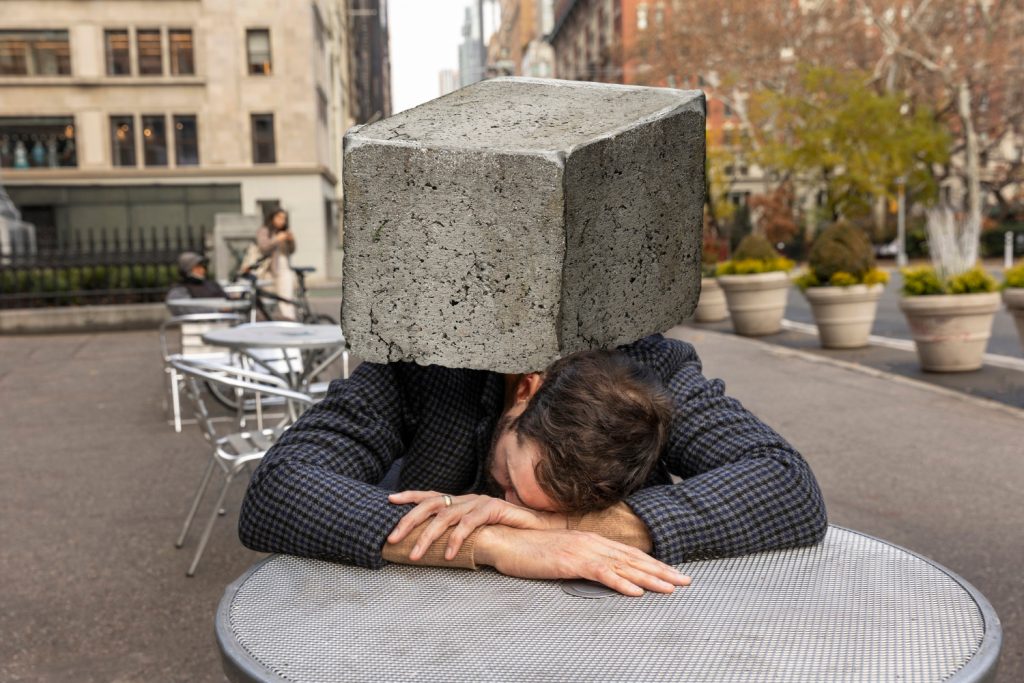
While some individuals respond to stress through resilience and problem-solving, others fall into maladaptive coping mechanisms. The World Health Organization has reported that substance abuse and suicide rates tend to rise during economic crises. Alcohol and drug use often serve as temporary escapes from financial stress, but they exacerbate emotional instability in the long run.
Domestic conflicts also tend to increase. Financial strain can erode relationships, leading to marital tension and family breakdowns. Arguments over money are among the leading causes of divorce, and during recessions, these pressures intensify. Loneliness and isolation further compound the problem, as people withdraw from social circles out of shame or embarrassment about their financial situations.
Additionally, some individuals turn to escapist behaviors such as excessive gaming, online gambling, or compulsive shopping as temporary relief from stress. These behaviors can lead to further financial losses and emotional distress, trapping individuals in a destructive cycle.
c. Adaptive Resilience and Growth
Despite these challenges, recessions also reveal the remarkable capacity of human beings for resilience and adaptation. Many people find creative ways to cope, discovering new strengths or opportunities. Psychologists refer to this as post-traumatic growth—a process where individuals emerge stronger after a period of adversity.
During economic downturns, some individuals pivot careers, start new businesses, or return to education. Communities often come together, forming support networks and cooperative initiatives. Social media and technology have enabled new forms of collaboration, such as mutual aid groups and online job-sharing communities.
Moreover, recessions can lead to a re-evaluation of priorities. People often realize that happiness is not solely tied to material wealth. Family, health, and personal fulfillment gain new significance. These mindset shifts can lay the foundation for long-term psychological and social renewal once the economy recovers.
Social and Generational Consequences of Economic Downturns
The psychological effects of a recession extend beyond individuals and families—they reshape entire societies and generations. From trust in institutions to cultural attitudes toward money, the collective psyche of a nation can change dramatically after a major economic crisis.
a. Erosion of Social Trust and Institutional Confidence
Economic instability often erodes public trust in government, corporations, and financial systems. When citizens perceive that leaders or institutions failed to prevent or respond adequately to a crisis, cynicism grows. This skepticism can evolve into political polarization, social unrest, or populist movements.
From a psychological perspective, this loss of trust is deeply destabilizing. Humans rely on collective systems for safety and belonging. When those systems are perceived as broken, anxiety and resentment spread. Historical examples—from the Great Depression of the 1930s to the 2008 financial crisis—demonstrate that prolonged economic hardship can trigger social and political upheavals rooted in collective psychological distress.
b. Intergenerational Trauma and Economic Identity
Recessions leave lasting marks on generations that experience them during formative years. Young adults entering the job market during economic downturns often face limited opportunities, lower wages, and long-term career setbacks. Economists call this the “scarring effect.” But beyond the economic dimension, there is a psychological scar as well—one of diminished confidence and chronic caution.
For instance, research on the “Great Recession generation” found that Millennials developed more conservative financial habits, avoided risky investments, and delayed major life milestones such as marriage and home ownership. This behavior is not just rational—it reflects a deeper emotional imprint of insecurity and mistrust.
Similarly, older adults who lose their savings or retirement funds may struggle with identity crises, feeling they have failed despite decades of hard work. Such experiences can erode one’s sense of purpose and belonging, especially in societies that equate productivity with personal value.
c. Cultural Shifts and Collective Resilience
On a broader scale, recessions can reshape cultural attitudes toward money, success, and well-being. After periods of crisis, societies often experience a “values recalibration.” The post-2008 era, for instance, saw a rise in minimalism, sustainability, and the “sharing economy” as alternatives to consumer excess.
Communities may rediscover the importance of solidarity and empathy. Volunteerism, local business support, and grassroots initiatives tend to grow during hard times. These movements, though born out of hardship, can lead to stronger social cohesion and innovation.
In this sense, the psychological impact of a recession is paradoxical—it exposes vulnerabilities while simultaneously fostering adaptability and collective growth. Just as an individual can experience post-traumatic growth, societies can undergo collective resilience, learning to build fairer, more empathetic economic systems.
Conclusion
The psychological impact of a recession extends far beyond the balance sheets of nations. It affects the invisible architecture of human emotion, behavior, and social identity. Anxiety, depression, and fear may dominate the immediate landscape, but beneath these struggles lie opportunities for growth and transformation.
Recessions test not only the resilience of economies but also the resilience of minds. Individuals learn to adapt, communities rediscover solidarity, and societies redefine their priorities. The challenge lies in ensuring that this psychological resilience is supported through policy, education, and public health measures. Mental health services, job support programs, and financial literacy initiatives are crucial to helping people navigate the emotional turbulence of economic downturns.
Ultimately, while recessions are cyclical and inevitable, their psychological toll can be mitigated through empathy, awareness, and collective action. By understanding how deeply economics and psychology intertwine, we can approach future crises with not just better fiscal strategies—but with stronger hearts and minds.