

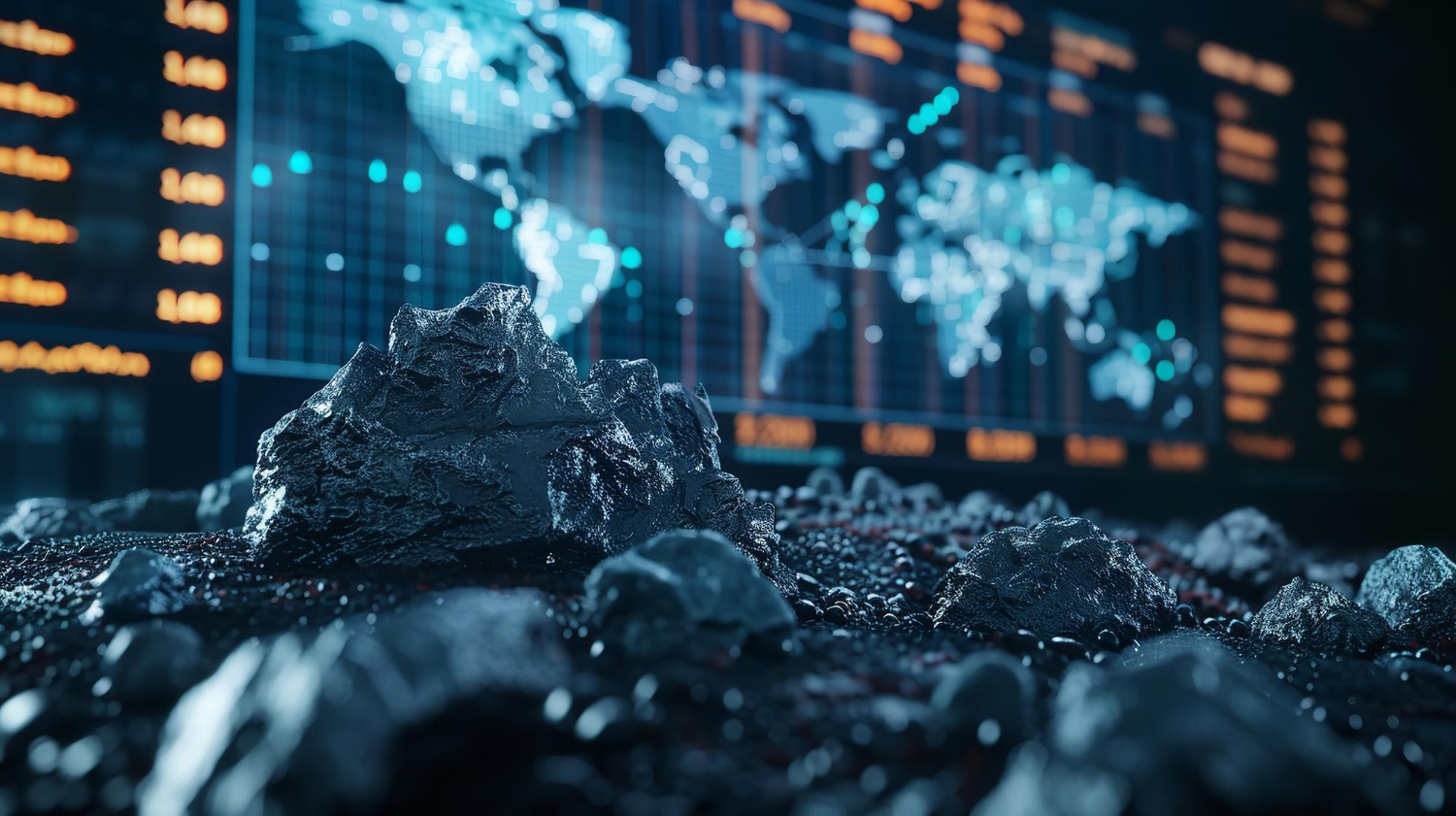
Introduction: A Paradoxical Rally in a Stressed Global Economy
The global metals market has entered a remarkable phase, posting record gains at a time when much of the world economy is under visible strain. Inflation remains sticky in several major economies, interest rates are still elevated compared to pre-pandemic norms, geopolitical tensions continue to disrupt trade flows, and growth forecasts have been repeatedly revised downward. Yet in this challenging macroeconomic backdrop, prices of key industrial and precious metals—from copper and aluminum to gold and silver—have surged to multi-year or all-time highs. This apparent contradiction has sparked intense debate among economists, investors, manufacturers, and policymakers alike.
At first glance, slowing growth, tighter financial conditions, and weakening consumer demand should dampen industrial activity and reduce demand for raw materials. Historically, metals markets have been closely tied to economic cycles, rising during expansions and falling during downturns. However, the current rally suggests that deeper structural forces are at work. Supply constraints, long-term investment themes, currency dynamics, and the strategic importance of metals in energy transition and national security have all converged to reshape traditional market behavior. This article explores how and why the global metals market is achieving record gains amid economic stress, what forces are driving different segments of the market, and what the implications may be for the global economy in the years ahead.
Macroeconomic Stress Meets Structural Demand Shifts
The broader economic environment today is characterized by uncertainty. High borrowing costs have slowed real estate and capital investment in many regions, while household purchasing power remains under pressure. Manufacturing activity in several developed economies has hovered near contraction levels, and global trade growth has been uneven. Under such circumstances, strong performance in metals markets seems counterintuitive.
The explanation lies in a shift from purely cyclical demand toward structural and strategic demand. Metals are no longer consumed only as inputs for traditional manufacturing and construction. They have become essential building blocks for long-term transformations such as electrification, digitalization, renewable energy deployment, and defense modernization. Copper, for example, is a critical component in electric vehicles, renewable power grids, and data centers. Aluminum is increasingly favored for its lightweight properties in transportation and packaging. Nickel, lithium, and cobalt—while often categorized separately as battery metals—also influence broader metals market sentiment.
At the same time, governments around the world are pursuing industrial policies aimed at reshoring supply chains and reducing dependence on foreign sources of critical materials. These policies translate into sustained demand regardless of short-term economic weakness. Even when consumer spending slows, state-backed infrastructure projects, energy transition investments, and defense expenditures continue to absorb large quantities of metals. This has created a floor under demand, insulating prices from the usual effects of economic stress.
Another factor is inflation hedging. In periods of macroeconomic uncertainty, investors often turn to hard assets as a store of value. Precious metals, particularly gold, have benefited from this behavior, but the effect has spilled over into industrial metals as well. As currencies fluctuate and real yields remain volatile, metals are increasingly viewed not only as commodities but also as financial assets with strategic importance.
Supply Constraints and the Legacy of Underinvestment
While demand has proven more resilient than expected, supply has struggled to keep pace. Years of underinvestment in mining and refining capacity have left the global metals industry ill-prepared for sudden or sustained increases in consumption. Following the commodity downturn of the mid-2010s, many producers cut capital expenditure, delayed new projects, and focused on balance sheet repair rather than expansion. Environmental regulations, permitting delays, and community opposition further slowed the development of new mines.
The result is a structurally tight supply environment. Bringing a new copper or nickel mine into production can take a decade or more, from exploration to permitting to construction. Even incremental expansions at existing sites face logistical and regulatory hurdles. In some regions, aging infrastructure and declining ore grades have reduced output despite higher prices.
Geopolitical factors have compounded these challenges. Trade disputes, sanctions, and export restrictions have disrupted established supply chains, particularly for metals concentrated in a few producing countries. Transportation bottlenecks and energy shortages have also raised production costs, limiting the ability of suppliers to respond quickly to price signals. In some cases, producers have deliberately restrained output to preserve margins in an uncertain economic environment.
These supply-side pressures have amplified the impact of demand resilience. When inventories are low and spare capacity is limited, even modest increases in consumption can trigger sharp price movements. This dynamic has been evident across multiple metals markets, where stockpiles at major exchanges have fallen to historically low levels. The perception of scarcity, whether real or anticipated, has become a powerful driver of investor sentiment and speculative activity.
Financialization, Currency Dynamics, and Investor Behavior
Another key driver of record gains in the global metals market is the growing role of financial investors. Over the past two decades, commodities have become more accessible to institutional and retail investors through futures markets, exchange-traded funds, and structured products. This financialization has increased liquidity but also heightened volatility, as prices react not only to physical supply and demand but also to shifts in macroeconomic expectations and risk appetite.

In the current environment, currency dynamics play a crucial role. When major currencies weaken or fluctuate sharply, metals priced in those currencies can experience significant gains. A weaker currency effectively lowers the cost of metals for foreign buyers, boosting demand and pushing prices higher. Conversely, expectations of future monetary easing—even if rates remain high in the present—can encourage investors to position themselves in anticipation of currency depreciation.
Metals have also benefited from portfolio rebalancing. As equities face earnings uncertainty and bonds struggle with interest rate volatility, investors are seeking diversification. Metals, with their tangible nature and strategic relevance, offer an attractive alternative. This influx of capital can reinforce upward price trends, sometimes beyond what fundamentals alone would justify.
Speculative positioning has further intensified market movements. When prices begin to rise, momentum-driven strategies and algorithmic trading can accelerate gains, creating feedback loops that push prices to record levels. While such dynamics can increase the risk of corrections, they also reflect a broader reassessment of metals’ role in the global financial system. Metals are no longer seen merely as inputs for industry but as assets that capture long-term themes such as energy security, technological change, and geopolitical risk.
Implications for Industry, Policy, and the Global Economy
The record gains in the global metals market carry significant implications across multiple dimensions. For manufacturers, higher input costs pose challenges to profitability and pricing strategies. Industries such as construction, automotive, and consumer electronics must either absorb these costs, pass them on to consumers, or redesign products to use materials more efficiently. In some cases, sustained high prices may accelerate innovation in recycling, substitution, and material efficiency.
For governments, rising metals prices present both opportunities and risks. Resource-rich countries may benefit from higher export revenues and improved fiscal positions. However, import-dependent economies face increased trade deficits and inflationary pressures. Policymakers must balance the desire to secure access to critical materials with the need to manage price stability and industrial competitiveness. Strategic stockpiling, trade agreements, and support for domestic production are likely to play a larger role in economic policy going forward.
From a global perspective, the metals rally underscores the changing nature of economic cycles. Traditional indicators of slowdown may no longer translate into weaker commodity prices when structural demand and supply constraints dominate. This shift complicates the task of forecasting and risk management for businesses and investors alike. It also raises questions about sustainability. Persistently high prices can encourage new investment and eventually bring supply back into balance, but the long lead times involved mean that tight conditions could persist for years.
There is also a social and environmental dimension. Higher prices can incentivize mining in environmentally sensitive areas and intensify debates over land use, indigenous rights, and ecological protection. At the same time, they can fund cleaner technologies and more sustainable practices if managed responsibly. The challenge lies in aligning economic incentives with long-term sustainability goals.
Conclusion: A New Era for Metals in a Stressed World Economy
The record gains in the global metals market amid economic stress are not a temporary anomaly but a signal of deeper structural change. While short-term macroeconomic headwinds remain significant, metals are increasingly driven by forces that transcend traditional business cycles. Energy transition, technological transformation, geopolitical realignment, and financial diversification have elevated metals from cyclical commodities to strategic assets.
Supply constraints rooted in years of underinvestment and complex regulatory environments have collided with resilient and often policy-driven demand. Investor behavior, shaped by currency dynamics and portfolio considerations, has further amplified price movements. Together, these factors have created a market environment in which metals can thrive even as broader economic indicators point to stress.
Looking ahead, volatility is likely to remain a defining feature of metals markets. Corrections and periods of consolidation are inevitable, particularly if global growth weakens further. However, the underlying drivers of demand suggest that metals will continue to play a central role in the global economy. For policymakers, businesses, and investors, understanding this new landscape is essential. The current rally is not just about higher prices; it is about a redefinition of value in a world grappling with economic uncertainty and long-term transformation.