

Introduction
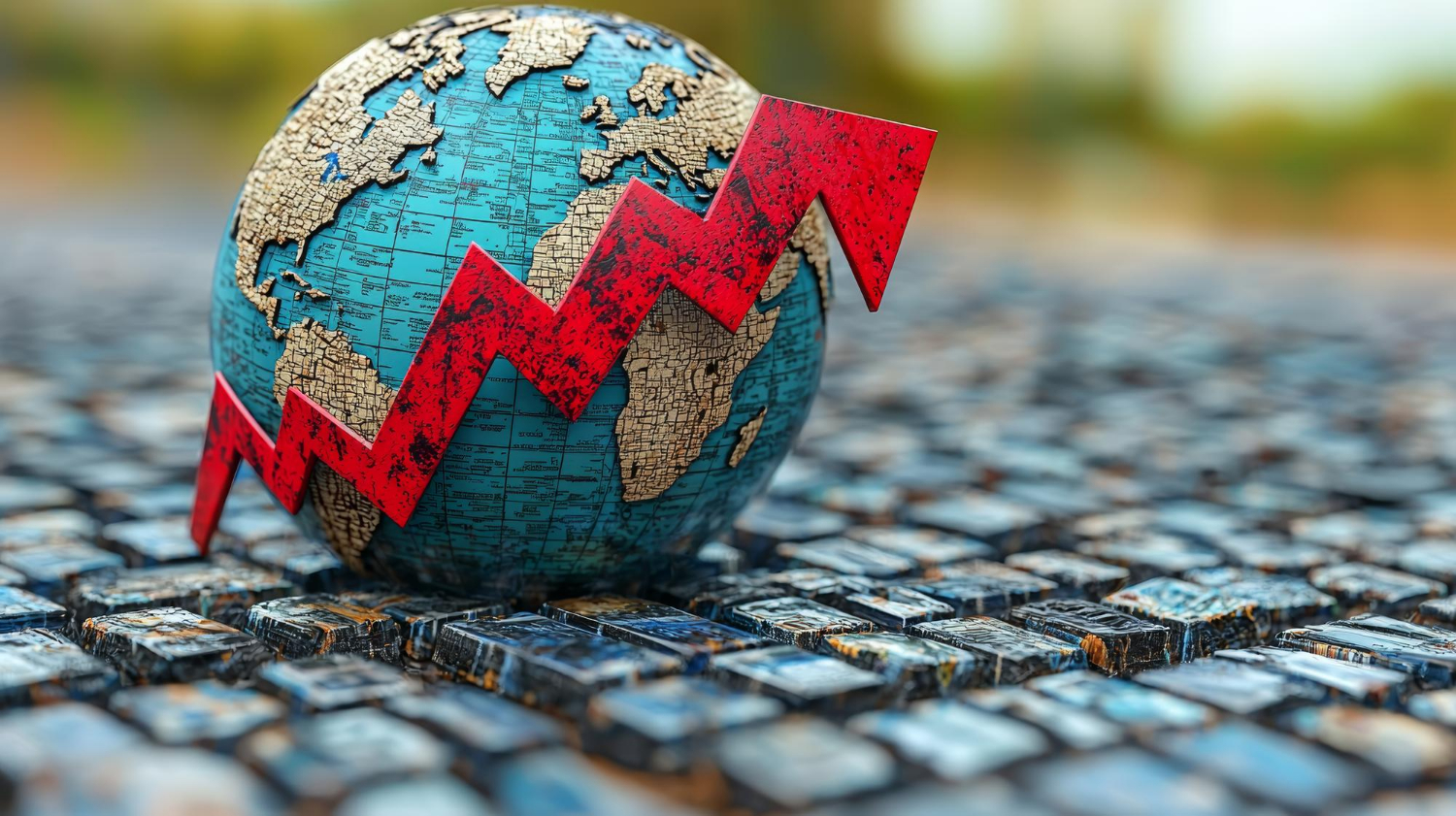
The global economy has entered a complex and uncertain phase marked by trade tensions, geopolitical rivalry, inflationary pressures, and tightening financial conditions. Over the past few years, many analysts predicted that escalating conflicts between major economies, supply-chain disruptions, and rising interest rates would trigger a prolonged global slowdown or even a synchronized recession. While growth has indeed moderated across many regions, the most striking feature of the current economic landscape is its resilience. Despite persistent headwinds, global output has continued to expand, labor markets remain comparatively strong, and new sources of growth are emerging in technology, services, and emerging markets.
This resilience does not mean the world economy is immune to shocks. Instead, it reflects the adaptability of businesses, policymakers, and consumers who have adjusted to new realities after the pandemic and the inflation surge that followed. Trade patterns are shifting, supply chains are being redesigned, and governments are investing heavily in industrial policy and green transformation. The result is a global economy that is slowing but not collapsing, fragmenting yet still interconnected, and facing risks but also opportunities.
Shifting Trade Patterns and the Era of “Selective Globalization”
Global trade has long been a central engine of economic growth. However, the past decade has seen a gradual shift away from the era of hyper-globalization toward what many economists now call “selective globalization.” Trade tensions between major powers, particularly the United States and China, have accelerated this transformation.
Tariffs, export controls, and technology restrictions have reshaped supply chains, especially in critical sectors such as semiconductors, rare earth minerals, pharmaceuticals, and clean energy technologies. Yet rather than collapsing global trade, these tensions have caused it to evolve. Companies are diversifying suppliers, relocating production, and adopting “China-plus-one” strategies to reduce geopolitical risk.
Countries such as India, Vietnam, Mexico, Indonesia, and Poland have emerged as key beneficiaries of this shift. They are attracting foreign direct investment as firms seek alternative manufacturing hubs. This diversification has helped prevent the kind of supply shortages that were common during the pandemic and has supported continued global production growth.
Trade is also expanding in services and digital sectors. Cross-border digital services, cloud computing, and remote work have created new trade flows that are less vulnerable to physical disruptions. Even as goods trade faces political obstacles, services trade is quietly becoming a major driver of global economic integration.
Regional trade agreements have further strengthened resilience. Agreements such as the Regional Comprehensive Economic Partnership (RCEP), the African Continental Free Trade Area (AfCFTA), and updated bilateral deals are fostering regional economic blocs. These arrangements may fragment global trade into regional networks, but they also ensure that commerce continues to expand within those networks.
In essence, globalization is not ending—it is transforming. Trade tensions have forced economies to become more flexible and diversified, which paradoxically has strengthened global resilience.
Strong Labor Markets and the Power of Consumer Demand
Another pillar of global economic resilience has been the strength of labor markets in many major economies. After the pandemic caused unprecedented job losses, employment rebounded rapidly. Governments supported incomes through fiscal stimulus, and businesses adapted quickly to new working models.
In the United States, Europe, and several Asian economies, unemployment rates have remained historically low. Tight labor markets have boosted wages, which in turn supported consumer spending. Even as inflation eroded purchasing power, rising wages and accumulated savings helped households continue spending on goods and services.
Consumer demand has shifted rather than collapsed. During the pandemic, spending surged on goods such as electronics, furniture, and home improvement. As economies reopened, spending pivoted toward services—travel, entertainment, dining, and healthcare. This transition helped balance the slowdown in goods demand and kept overall consumption stable.
Tourism has played a particularly important role in supporting global growth. International travel has rebounded strongly, benefiting countries dependent on tourism revenues, from Southern Europe to Southeast Asia and the Caribbean. Airlines, hotels, and hospitality industries have experienced a powerful recovery, contributing to job creation and economic activity.
Migration has also contributed to labor market resilience. In many advanced economies, aging populations and labor shortages have been partially offset by immigration, helping sustain productivity and economic growth.
While wage growth and tight labor markets can contribute to inflationary pressures, they also provide a crucial buffer against recession. As long as people remain employed and incomes continue to rise, consumer spending—the largest component of global GDP—remains resilient.
Inflation, Interest Rates, and the New Monetary Policy Landscape
One of the most significant challenges facing the global economy has been the surge in inflation following the pandemic. Supply chain disruptions, energy price shocks, and strong demand pushed inflation to levels not seen in decades. Central banks responded with aggressive interest rate hikes to restore price stability.
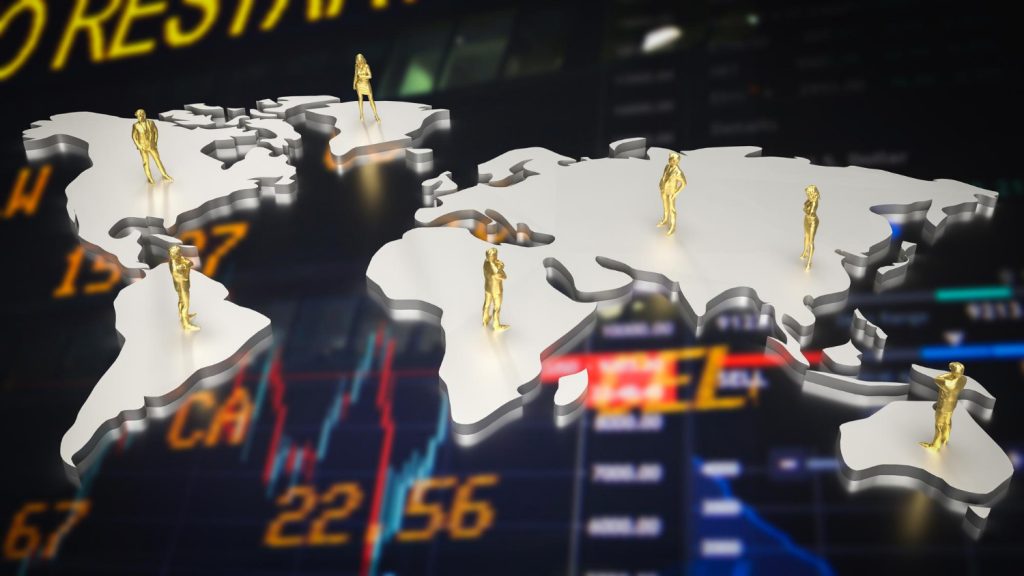
Higher interest rates typically slow economic growth by making borrowing more expensive. Mortgage rates rose, business investment slowed, and financial markets experienced volatility. Many economists expected these tightening cycles to trigger a global recession.
Yet the impact has been milder than anticipated. Several factors explain this outcome.
First, many households entered the tightening cycle with strong balance sheets, thanks to pandemic savings and rising home values. This financial cushion helped them absorb higher borrowing costs.
Second, corporate balance sheets were relatively healthy. Companies had refinanced debt at low interest rates during the pandemic, reducing their vulnerability to rising rates.
Third, central banks communicated their policies clearly, reducing uncertainty and preventing panic in financial markets. While financial conditions tightened, the transition was more orderly than in past cycles.
Inflation has gradually moderated in many regions, allowing policymakers to consider pausing or slowing rate hikes. This easing of inflationary pressures has improved business and consumer confidence.
The new monetary policy landscape reflects a delicate balance. Central banks remain cautious about inflation but are increasingly aware of the risks of overtightening. Their ability to manage this balance has been a key factor in sustaining global economic momentum.
Technological Innovation and the Rise of New Growth Engines
Technological progress has emerged as one of the most powerful drivers of economic resilience. Advances in artificial intelligence, automation, renewable energy, biotechnology, and digital finance are reshaping industries and creating new sources of productivity growth.
Artificial intelligence, in particular, has captured global attention. Businesses across sectors are adopting AI to improve efficiency, reduce costs, and develop new products. From automated customer service to predictive analytics in manufacturing, AI is boosting productivity and creating new economic opportunities.
The energy transition is another major growth engine. Governments and corporations are investing trillions of dollars in renewable energy, electric vehicles, and green infrastructure. These investments are creating jobs, stimulating innovation, and reducing dependence on volatile fossil fuel markets.
Digitalization has accelerated across the global economy. E-commerce, fintech, and digital payment systems have expanded rapidly, especially in emerging markets. Millions of people who previously lacked access to financial services now participate in the formal economy through mobile banking and digital platforms.
Startups and venture capital continue to play a vital role in driving innovation. Even during periods of financial tightening, investment in transformative technologies remains strong. This ongoing wave of innovation supports productivity growth and helps offset slower expansion in traditional industries.
Technology is not without challenges, including concerns about job displacement, cybersecurity, and regulatory frameworks. However, its overall impact on economic resilience has been overwhelmingly positive.
Emerging Markets as Pillars of Global Growth
Emerging markets have become increasingly important contributors to global economic resilience. While advanced economies face slower growth due to aging populations and mature industries, many developing countries continue to expand rapidly.
India, Southeast Asia, parts of Africa, and Latin America are experiencing rising urbanization, expanding middle classes, and increasing digital connectivity. These trends are driving demand for infrastructure, housing, consumer goods, and services.
Emerging markets are also playing a larger role in global manufacturing and supply chains. As companies diversify production away from single-country dependence, new industrial hubs are emerging across the developing world.
Demographics provide another advantage. Younger populations in many emerging economies support workforce growth and long-term consumption. This demographic dividend contrasts with aging populations in Europe, Japan, and parts of East Asia.
Financial inclusion has improved significantly. Mobile banking and digital payments have enabled millions of small businesses and entrepreneurs to access credit and participate in global markets.
However, emerging markets still face challenges, including debt vulnerabilities, currency volatility, and climate risks. International cooperation and responsible policymaking will be essential to ensure sustainable growth.
Despite these risks, emerging markets remain a crucial pillar of global economic expansion and resilience.
Conclusion
The global economy today stands at a crossroads. Trade tensions, geopolitical uncertainty, inflation, and tighter financial conditions have undoubtedly slowed growth and increased risks. Yet the anticipated global downturn has not materialized. Instead, the world economy has demonstrated remarkable resilience.
This resilience stems from multiple sources: diversified trade networks, strong labor markets, adaptive monetary policies, rapid technological innovation, and the growing importance of emerging markets. Together, these factors have helped sustain growth even in a challenging environment.
Looking ahead, the global economy will continue to face uncertainty. Geopolitical conflicts, climate change, and technological disruption will shape the economic landscape in the coming decades. However, the lessons of recent years suggest that economies are capable of adapting and evolving in response to new challenges.
Rather than a story of decline, the current period may ultimately be remembered as a transition toward a more diversified, digital, and resilient global economy.