


Introduction
For decades, ATM cards were among the most important tools connecting customers with their bank accounts. They allowed people to withdraw cash, check account balances, and perform basic banking activities without visiting a physical bank branch. As automated teller machines expanded across cities and towns, ATM cards became a symbol of convenience and financial independence. Customers no longer had to depend entirely on banking hours or wait in long lines to access their own money.
The financial landscape, however, has changed dramatically. Digital banking, mobile applications, contactless payments, digital wallets, instant transfers, and online financial platforms have transformed the way consumers interact with money. A growing number of banking activities that once required an ATM card can now be completed through a smartphone. People can transfer funds, pay bills, deposit checks, manage investments, monitor transactions, and even withdraw cash in some locations without physically using a card.
This transformation does not necessarily mean that traditional ATM cards are disappearing. Instead, their role is changing. ATM cards and debit cards are moving from being primary banking tools to becoming part of a much broader digital financial ecosystem. Consumers now expect faster, safer, and more flexible ways to access and manage money.
Banks are responding by redesigning their services around mobile-first experiences. At the same time, ATM networks are evolving to support cardless withdrawals, contactless technology, advanced authentication, and other digital features. The traditional plastic card remains useful, but its position within everyday banking is no longer as dominant as it once was.
The changing role of ATM cards reflects a larger shift in consumer behavior. Modern customers increasingly value convenience, speed, security, and continuous access to financial services. Digital banking provides many of these advantages, forcing traditional banking tools to adapt to a rapidly changing environment.
The Rise of Digital Banking and Mobile Financial Services
The rapid growth of digital banking has fundamentally changed the relationship between consumers and financial institutions. In the past, most banking activities were connected to physical locations. Customers visited branches to deposit money, withdraw funds, transfer cash, apply for services, or receive account information. ATMs reduced some of this dependence by giving customers access to basic banking services outside regular business hours.
Mobile and online banking have taken this convenience much further. Today, a smartphone can function as a personal banking center. Customers can review account activity, transfer money between accounts, send payments, pay utility bills, manage credit cards, receive security notifications, and communicate with customer service without leaving their homes.
This level of accessibility has reduced the importance of ATM cards for many routine financial activities. Balance inquiries, for example, were once a common reason for visiting an ATM. Mobile banking applications now allow customers to check their balances instantly and repeatedly throughout the day. Printed mini-statements have also become less important because detailed transaction histories are available online.
Money transfers represent another major change. Consumers previously depended on bank branches, checks, cash, or ATM-based services to move funds. Digital banking platforms now allow transfers to be completed within seconds. In many cases, customers can send money using only a phone number, email address, or other digital identifier.
The popularity of digital wallets has accelerated this transformation. Consumers can connect their bank accounts or payment cards to mobile devices and make purchases without carrying physical cards. Contactless technology has made the payment process even faster, allowing customers to complete transactions by tapping a smartphone, smartwatch, or card near a payment terminal.
Younger consumers are especially comfortable with mobile-first financial services. Many of them open accounts online, receive digital statements, make electronic payments, and communicate with financial institutions through applications. For these customers, an ATM card may be viewed as a backup financial tool rather than the center of their banking experience.
Traditional banks have recognized this behavioral shift. Financial institutions are investing heavily in mobile applications, artificial intelligence, automated customer support, fraud detection systems, and digital payment infrastructure. Competition from financial technology companies has increased pressure on established banks to provide better digital experiences.
As a result, the definition of banking convenience has changed. Having a large ATM network was once considered a major competitive advantage. While ATM availability remains important, consumers increasingly evaluate banks based on the quality of their mobile applications, transfer speed, security features, account accessibility, and digital customer service.
This shift does not eliminate the need for ATM cards. Instead, it reduces their importance in areas where digital banking provides a faster or more convenient alternative. The ATM card is becoming one component of a connected financial system rather than the primary gateway to personal banking.
Traditional ATM Cards Are Becoming Backup and Support Tools
The changing financial environment has pushed ATM cards into a different position. For many consumers, physical cards remain valuable, but they are no longer used as frequently for everyday banking activities.
Cash withdrawal continues to be one of the most important functions of ATM cards. Despite the growth of digital payments, cash remains necessary in many situations. Small businesses, local service providers, transportation systems, emergency situations, and certain personal transactions may still depend on physical currency.
For this reason, ATM cards continue to provide an essential connection between digital bank balances and physical cash. A customer may manage almost every aspect of an account through a mobile application but still rely on an ATM card when cash is required.
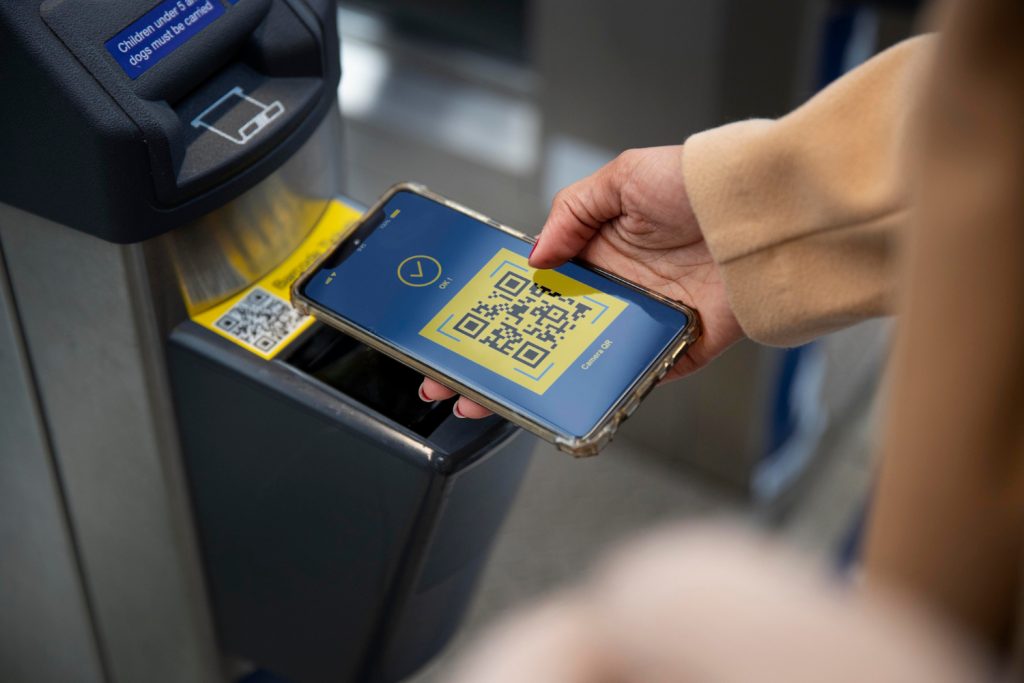
However, even the cash withdrawal process is changing. Some banks and ATM operators now provide cardless access. Customers may initiate a withdrawal through a mobile banking application and verify the transaction using a code, QR technology, contactless communication, or another authentication method.
These developments demonstrate how the traditional function of the ATM card is being integrated into digital banking systems. The customer still uses an ATM, but the physical card may no longer be necessary.
Physical cards are also increasingly used as backup payment methods. A consumer may prefer mobile payments for everyday purchases but keep a debit or ATM card available when digital payment systems are unavailable. Smartphone batteries can run out, applications may experience technical problems, merchants may not accept certain digital payment methods, and network interruptions can temporarily affect electronic services.
In these circumstances, a physical card provides an additional layer of financial access.
ATM cards are also important for consumers who are less comfortable with digital technology. Not every customer wants to manage financial activities through a smartphone. Older consumers, individuals with limited internet access, and people who prefer physical banking methods may continue to depend heavily on cards and cash.
This creates an important challenge for financial institutions. Banks must continue developing advanced digital services while ensuring that traditional customers are not excluded from essential financial activities.
Another factor is geographic inequality in digital infrastructure. High-speed internet, modern payment terminals, and reliable mobile services are not equally available everywhere. Rural areas and developing regions may continue to depend more heavily on cash and ATM networks.
Therefore, the future of ATM cards will not develop at the same speed in every market. Some regions may experience rapid adoption of cardless and mobile banking services, while others may continue using traditional cards for many years.
The role of the physical card is becoming more specialized. Instead of serving as the main tool for account access, it increasingly provides cash availability, payment flexibility, emergency access, and support for customers who prefer traditional banking methods.
Security, Technology, and the Future of ATM Access
Security is one of the most important forces changing the relationship between digital banking and traditional ATM cards. Physical cards have historically faced risks including theft, loss, skimming, unauthorized transactions, and the exposure of personal identification numbers.
Digital banking technology is creating new ways to reduce some of these risks. Mobile banking applications can allow customers to lock or unlock cards instantly. If a card is lost, the customer may temporarily disable it without waiting to contact a bank representative.
Real-time transaction alerts have also improved financial security. Customers can receive immediate notifications when their cards or accounts are used. Suspicious activity can therefore be identified more quickly than in the past.
Biometric authentication is another important development. Fingerprint recognition, facial identification, and other forms of identity verification are becoming common features of modern banking applications. These technologies can provide additional protection beyond traditional passwords and PIN numbers.
Cardless ATM withdrawals may further change security practices. Instead of inserting a physical card into a machine, customers may verify their identity through a trusted banking application. This approach can potentially reduce exposure to certain types of card theft and ATM skimming.
At the same time, digital banking creates different security challenges. Cybercrime, phishing attacks, stolen passwords, fake applications, account takeover attempts, and social engineering scams have become serious concerns.
The shift from physical banking to digital financial services does not remove security risks. It changes their nature.
Banks must therefore create security systems that combine convenience with strong protection. Advanced fraud detection systems can analyze unusual account behavior and identify potentially suspicious transactions. Artificial intelligence may help financial institutions detect patterns that would be difficult for human analysts to recognize quickly.
Future ATM systems may also become more closely connected to mobile banking applications. Customers could use smartphones to prepare transactions before arriving at an ATM. Identity verification could involve multiple security factors, reducing dependence on a single card and PIN combination.
Contactless ATM access may become more common as well. Instead of inserting a card into a machine, customers may tap a card or mobile device and complete the transaction through secure authentication.
The physical design of cards may also continue to evolve. Some financial institutions already provide greater digital control over payment cards, including spending limits, transaction restrictions, international usage controls, and instant notifications.
These developments suggest that ATM cards will become more intelligent and more closely connected to digital banking platforms.
Another possible change is the reduction of traditional ATM locations in areas where cash usage continues to decline. Maintaining large ATM networks can be expensive. Machines require security, cash transportation, maintenance, electricity, software updates, and physical locations.
Banks may reconsider the size and structure of their ATM networks as more transactions move online. However, reducing ATM access too quickly could create problems for consumers who still depend on cash.
Financial institutions will need to find a balance between digital expansion and physical accessibility. The future banking system is unlikely to be completely cashless or completely digital in the near term. Instead, multiple forms of financial access will probably exist together.
The traditional ATM card will continue to evolve within this hybrid environment. Its future value may depend less on how frequently consumers use it and more on its ability to provide reliable access when other payment or banking options are unavailable.
Conclusion
Digital banking is transforming the financial industry and changing the role of traditional ATM cards. Mobile applications, instant transfers, digital wallets, contactless payments, cardless withdrawals, and advanced security technologies have reduced the need to use physical cards for many everyday banking activities.
Consumers can now perform tasks through smartphones that once required visits to bank branches or ATM machines. Checking balances, reviewing transactions, transferring money, paying bills, managing cards, and communicating with financial institutions can all be completed digitally.
As a result, ATM cards are moving away from their position as the primary connection between customers and bank accounts. They are increasingly becoming backup tools, cash-access instruments, and components of larger digital banking systems.
However, physical cards remain important. Cash is still widely used, digital infrastructure is not equally available everywhere, and many consumers continue to prefer traditional banking methods. Physical cards can also provide valuable financial access during technical failures, network problems, or situations where digital payments are unavailable.
The future of ATM cards will therefore be shaped by adaptation rather than immediate disappearance. Banks are likely to integrate physical cards more closely with mobile applications, biometric security, contactless technology, and advanced fraud protection.
ATM networks may also evolve. Cardless transactions, mobile authentication, and personalized digital services could become increasingly common. At the same time, banks will need to ensure that customers who depend on cash and physical banking tools continue to have reliable access to financial services.
The broader transformation reflects an important change in modern banking. Consumers are no longer dependent on a single method of accessing money. They can choose between smartphones, computers, payment cards, digital wallets, bank branches, and ATM machines.
In this environment, the traditional ATM card is no longer the center of personal banking. It is becoming one part of a flexible and interconnected financial ecosystem.
Digital banking may continue to reduce the frequency with which consumers use physical cards, but ATM cards are unlikely to become irrelevant overnight. Their role is being redefined by technology, consumer expectations, and changing payment habits.
Ultimately, the future of banking will depend on convenience, security, accessibility, and choice. Traditional ATM cards will remain valuable as long as they continue to provide consumers with reliable access to money while adapting to an increasingly digital financial world.