

Introduction
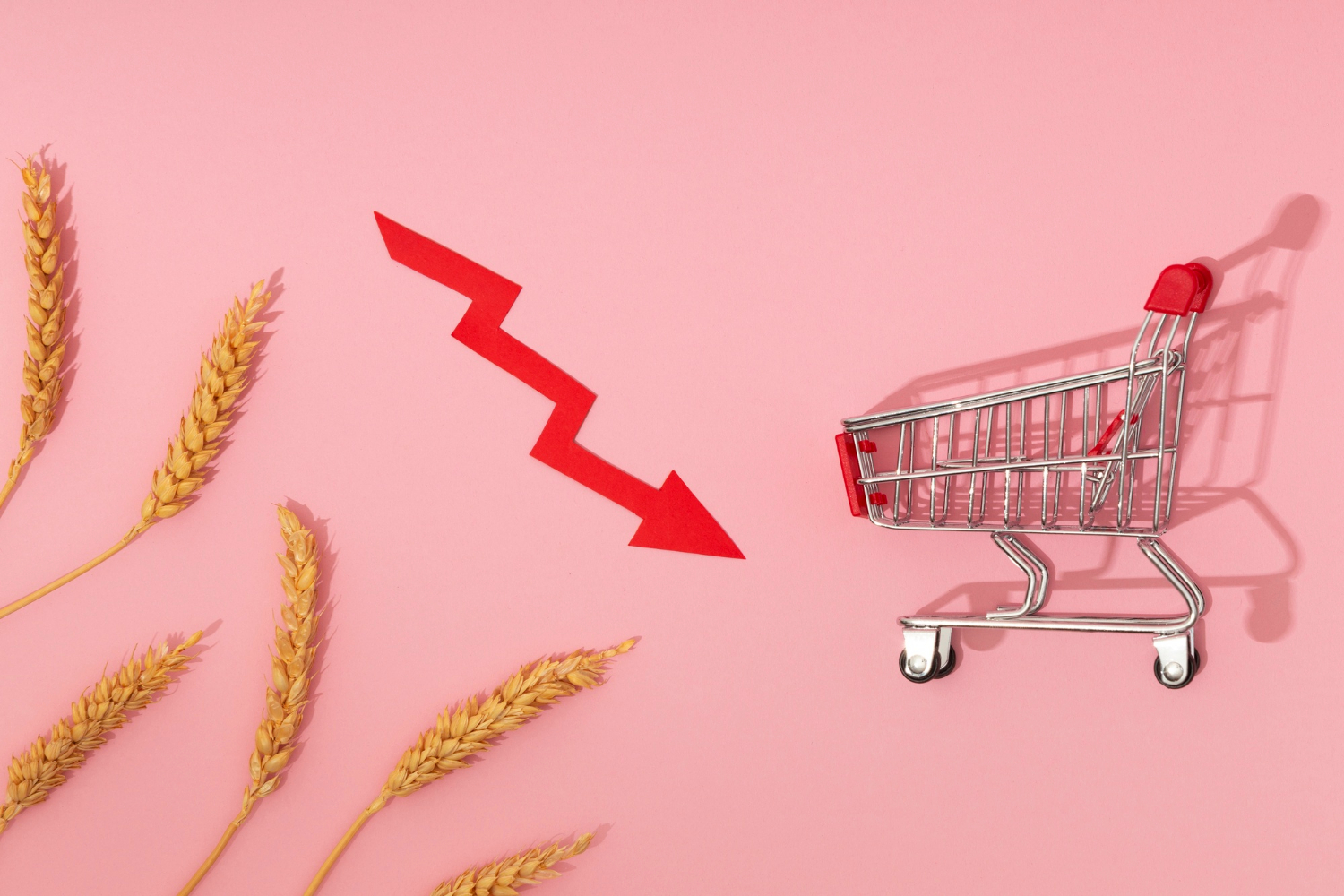
Consumer prices have entered a phase of sustained decline after a prolonged period of inflationary pressure, delivering tangible relief to households and reshaping expectations across the economy. For families, falling prices mean restored purchasing power, easier budgeting, and a gradual easing of financial stress that accumulated during years of elevated costs for food, housing, energy, and essential services. For businesses and policymakers, the trend signals a recalibration of demand and supply dynamics, easing fears of runaway inflation while reinforcing confidence in the framework that governs monetary stability. This development is not merely a statistical shift; it is a lived economic experience that influences spending decisions, wage negotiations, investment planning, and the credibility of economic institutions. Understanding why consumer prices are declining, how households are responding, and what this implies for monetary stability is crucial to assessing the durability and desirability of the current environment.
The Dynamics Behind the Decline in Consumer Prices
The recent decline in consumer prices is the product of several interlocking forces rather than a single catalyst. On the supply side, global production and logistics networks have largely normalized after years of disruption. Factories have adapted to new operating conditions, shipping bottlenecks have eased, and inventories have been rebuilt. These improvements have reduced input costs for manufacturers and retailers, allowing them to lower prices without sacrificing margins. Energy markets, which played an outsized role in earlier inflationary spikes, have stabilized as supply diversification and efficiency gains softened volatility. When energy prices settle, their influence cascades across transportation, manufacturing, and services, exerting broad downward pressure on consumer prices.
Demand-side factors have also contributed. After a period of pent-up spending, households have become more discerning, prioritizing essentials and value. Higher interest rates introduced earlier to curb inflation have moderated credit-fueled consumption, especially for big-ticket items. This cooling of demand has given firms less pricing power, encouraging competitive pricing and promotions. At the same time, technological adoption and digital competition have increased price transparency, making it harder for businesses to sustain elevated prices without losing customers.
Another important element is the anchoring of inflation expectations. When households and firms believe that price stability is likely to persist, they adjust their behavior accordingly. Workers moderate wage demands, firms resist preemptive price hikes, and long-term contracts are negotiated with greater confidence. This behavioral feedback loop reinforces the disinflationary trend, making it more resilient. The decline in consumer prices, therefore, reflects both tangible economic adjustments and shifts in expectations that support a lower inflation environment.
Relief for Households and the Restoration of Purchasing Power
For households, declining consumer prices translate into immediate and visible benefits. The most direct impact is the restoration of purchasing power. When the cost of groceries, utilities, transportation, and everyday services falls or stabilizes, household budgets stretch further. Families that previously had to cut back or dip into savings can redirect resources toward education, healthcare, leisure, or precautionary savings. This relief is particularly meaningful for lower- and middle-income households, for whom essential expenses constitute a larger share of total spending.
The psychological dimension of price relief is equally important. Inflation erodes confidence and creates a sense of financial insecurity, even when incomes rise nominally. A period of falling prices reverses this sentiment, reducing anxiety and encouraging more deliberate financial planning. Households regain the ability to make medium- and long-term decisions, such as committing to housing leases, purchasing durable goods, or investing in skills. This confidence can gradually translate into healthier consumption patterns that are less driven by fear of future price spikes.
Debt dynamics also improve in a low-inflation or disinflationary environment. When prices decline and interest rates stabilize or ease, servicing existing debt becomes more manageable. Households with variable-rate loans or credit obligations benefit from lower borrowing costs, freeing up income for other uses. While excessively low inflation can pose risks, the current decline appears to be a correction from previously elevated levels, offering balance rather than constraint. In this context, price relief supports financial resilience without undermining incentives to spend and invest responsibly.
Implications for Businesses and Labor Markets
The decline in consumer prices has nuanced implications for businesses. On one hand, reduced pricing power can compress margins, particularly for firms that expanded costs during the inflationary period. Companies must adapt by improving efficiency, optimizing supply chains, and innovating to maintain profitability. Competitive pressure intensifies, rewarding firms that deliver value and penalizing those that rely on price increases rather than productivity gains. This environment encourages long-term competitiveness and discourages speculative or short-term pricing strategies.

On the other hand, price stability provides a clearer planning horizon. When input costs are predictable and consumer demand is steady, businesses can make investment decisions with greater confidence. Capital expenditures, research and development, and workforce training are easier to justify when inflation uncertainty recedes. Lower inflation also reduces the risk premium embedded in financing costs, improving access to credit for productive investment. Over time, these factors can support sustainable growth even in a more restrained pricing environment.
Labor markets respond in complex ways. During high inflation, wage negotiations often become contentious as workers seek to protect real incomes. With consumer prices declining, the urgency of such demands diminishes, potentially easing labor tensions. However, this does not imply stagnation in wages. Instead, wage growth can align more closely with productivity gains rather than inflation compensation. This alignment supports a healthier balance between labor costs and output, contributing to overall economic stability. Importantly, stable prices help ensure that wage increases translate into real improvements in living standards rather than being eroded by rising costs.
Monetary Stability and the Credibility of Policy Frameworks
One of the most significant consequences of declining consumer prices is the strengthening of expectations around monetary stability. Central banks and monetary authorities aim to maintain price stability as a cornerstone of economic health. When consumer prices decline in an orderly manner after a period of inflation, it signals that policy tools are effective and credible. This credibility is crucial because monetary policy operates as much through expectations as through direct interventions.
Stable or declining prices give policymakers greater flexibility. With inflation pressures easing, authorities can recalibrate interest rates to support growth without risking a resurgence of inflation. This balance is delicate, as premature easing could reignite price pressures, while excessive restraint could slow economic activity unnecessarily. The current environment, characterized by measured disinflation, allows for a more nuanced approach that prioritizes stability and resilience.
Financial markets respond positively to reinforced monetary credibility. Investors value predictability, and stable inflation reduces uncertainty around returns. Long-term interest rates tend to reflect lower inflation expectations, supporting investment in infrastructure, housing, and productive capacity. Currency stability also benefits, as confidence in monetary management attracts capital and reduces volatility. These outcomes create a virtuous cycle in which stable prices underpin financial stability, which in turn supports broader economic objectives.
Risks, Trade-Offs, and the Path Forward
Despite the benefits, a decline in consumer prices is not without risks. If disinflation turns into deflation, where prices fall persistently and expectations of further declines take hold, households and businesses may delay spending and investment. Such behavior can dampen economic activity and complicate policy responses. Therefore, the distinction between healthy disinflation and harmful deflation is critical. Current trends suggest a normalization rather than a collapse in prices, but vigilance remains essential.
Another trade-off involves income distribution. While falling prices benefit consumers broadly, certain sectors and workers may face adjustment costs. Industries that expanded rapidly during inflationary periods may need to scale back, leading to localized job losses or restructuring. Policymakers and institutions must address these transitions through targeted support, retraining programs, and social safety nets to ensure that the benefits of price stability are widely shared.
Looking ahead, sustaining the gains from declining consumer prices requires coordination between policy, markets, and society. Structural reforms that enhance productivity, competition, and supply resilience can lock in price stability without sacrificing growth. Transparent communication from monetary authorities helps anchor expectations and prevent overreactions. At the household level, improved financial literacy can empower consumers to make informed decisions in a stable price environment. Together, these elements shape a path forward that balances affordability, growth, and stability.
Conclusion
The continued decline in consumer prices marks a welcome shift after a period of inflation-induced strain. For households, it delivers concrete relief, restores purchasing power, and rebuilds confidence in financial planning. For businesses and labor markets, it encourages efficiency, productivity-driven wage growth, and more predictable investment conditions. Most importantly, it strengthens expectations of monetary stability, reinforcing the credibility of policy frameworks that underpin modern economies. While risks remain and careful management is essential, the current environment reflects a constructive rebalancing rather than a cause for alarm. By recognizing the interconnected forces behind falling prices and responding thoughtfully, economies can transform short-term relief into long-term stability and shared prosperity.