

Introduction
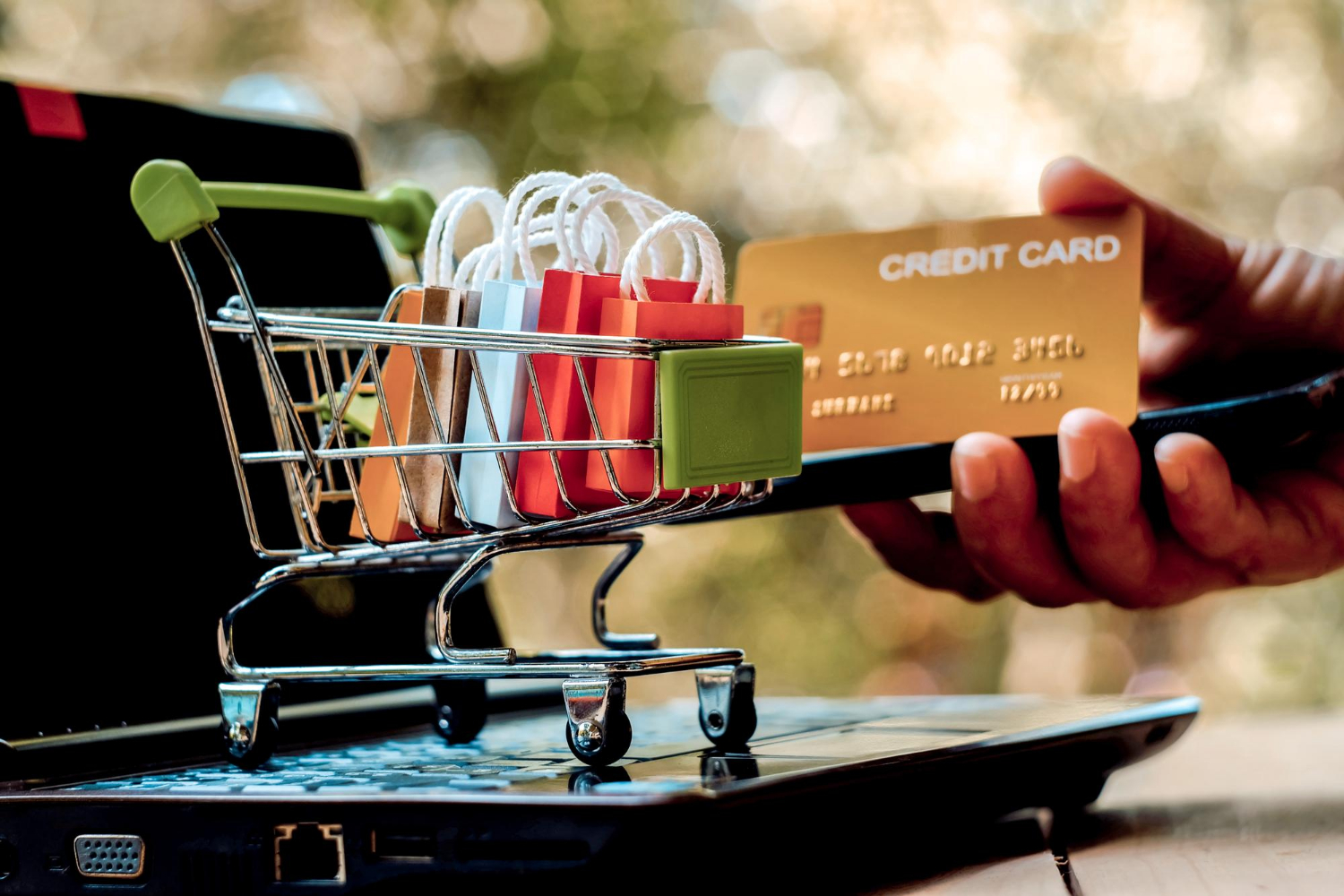
Cashback programs have emerged as one of the most influential forces shaping modern consumer behavior. From credit cards and digital wallets to e-commerce platforms and offline retailers, the promise of receiving a portion of one’s spending back has transformed the way people perceive value. Unlike traditional discounts that reduce the price upfront, cashback programs create a sense of reward after the purchase, reinforcing positive feelings associated with spending decisions. This psychological reinforcement, combined with the convenience of digital payments and data-driven personalization, has made cashback programs increasingly attractive to consumers across age groups and income levels. As inflationary pressures and cost-of-living concerns intensify in many parts of the world, consumers are becoming more deliberate about how they spend their money. Cashback programs fit neatly into this mindset by offering tangible savings without requiring major behavioral changes. Over time, what began as a niche marketing tactic has evolved into a mainstream expectation, reshaping loyalty, competition, and financial decision-making in the global marketplace.
Evolution and Types of Cashback Programs
Cashback programs did not appear overnight; they are the result of decades of experimentation in consumer incentives. Early forms of cashback can be traced back to credit card issuers in the late twentieth century, when banks began offering small percentages of spending back to cardholders as a way to differentiate their products. Initially, these rewards were modest and often capped, but they laid the foundation for a broader rewards ecosystem. As technology advanced and transaction data became easier to analyze, cashback programs expanded in scope and sophistication.
Today, cashback programs exist in multiple forms. Credit card cashback remains one of the most common types, where users earn a fixed or tiered percentage of their spending back as statement credits, bank deposits, or redeemable points. Digital wallets and payment apps have added another layer by offering instant cashback on specific transactions, often in partnership with merchants. E-commerce platforms frequently run promotional cashback campaigns during sales events, encouraging shoppers to increase basket sizes or try new sellers. Even traditional brick-and-mortar retailers have adopted cashback through loyalty cards or mobile apps that track purchases and reward repeat visits.
Another notable evolution is the rise of category-based and conditional cashback. Instead of offering a flat rate, many programs provide higher cashback for specific spending categories such as groceries, fuel, dining, or travel. Conditional cashback, which requires meeting certain thresholds or using partner services, has become a powerful tool for influencing consumer behavior. These variations demonstrate how cashback programs have matured from simple rebates into strategic instruments designed to guide spending patterns while maintaining broad consumer appeal.
Psychological and Economic Drivers Behind Popularity
The popularity of cashback programs is deeply rooted in both psychology and economics. From a psychological perspective, cashback taps into the human preference for rewards and positive reinforcement. Receiving money back after a purchase triggers a sense of gain, even if the amount is relatively small. This feeling of “earning while spending” can reduce the guilt often associated with discretionary purchases, making consumers more comfortable with their choices. Unlike discounts, which are quickly forgotten, cashback often arrives later, extending the emotional impact of the purchase and strengthening brand recall.
Behavioral economics further explains why cashback programs resonate so strongly. Consumers tend to overvalue immediate or tangible rewards, and cashback provides a clear, quantifiable benefit. The framing of cashback as “money earned” rather than “money saved” can influence perception, making the reward feel more substantial. Additionally, the accumulation aspect of cashback programs encourages continued engagement. As balances grow, consumers are motivated to keep using the same platform or payment method to reach redemption thresholds, reinforcing loyalty.
On the economic side, rising consumer awareness and financial literacy have contributed to the growth of cashback programs. With access to comparison tools and financial content, consumers are better equipped to evaluate the true value of rewards. Cashback programs offer transparency, as the benefit is usually expressed in straightforward percentages or amounts. In uncertain economic times, even small returns on everyday spending can add up, making cashback an appealing strategy for managing household budgets. This combination of emotional satisfaction and practical benefit explains why cashback programs continue to gain traction across diverse markets.
Impact on Consumer Behavior and Business Strategies
Cashback programs have a profound impact on how consumers behave and how businesses design their strategies. For consumers, cashback influences not only where they shop but also how much they spend. Studies and market observations consistently show that shoppers are more likely to choose merchants or payment methods that offer cashback, even if prices are slightly higher elsewhere. The perception of getting something back can outweigh small price differences, effectively shifting demand toward cashback-enabled options.
For businesses, cashback programs serve as a versatile marketing and retention tool. By analyzing transaction data, companies can tailor cashback offers to specific customer segments, encouraging higher spending frequency or cross-category exploration. For example, a retailer might offer increased cashback on slow-moving inventory or during off-peak periods, smoothing demand and improving cash flow. Financial institutions use cashback to attract new customers, reduce churn, and increase transaction volumes, which in turn generate interchange fees and valuable data insights.
However, the widespread adoption of cashback programs has also intensified competition. As more players offer similar rewards, differentiation becomes challenging. This has led to increasingly creative cashback structures, such as gamified rewards, limited-time boosts, and partnerships with lifestyle brands. While these innovations can enhance engagement, they also raise questions about sustainability and profitability. Businesses must carefully balance the cost of cashback incentives against the long-term value of customer loyalty. When executed strategically, cashback programs can create a virtuous cycle of engagement and growth, but poorly designed programs risk eroding margins without delivering meaningful retention benefits.
Conclusion
Cashback programs are gaining popularity because they align seamlessly with modern consumer expectations, technological capabilities, and economic realities. By offering a simple yet powerful incentive, they transform everyday spending into an opportunity for reward, fostering loyalty and positive brand associations. The evolution of cashback programs from basic credit card perks to sophisticated, data-driven ecosystems reflects their effectiveness in influencing behavior and creating value for both consumers and businesses. Psychological factors such as reward satisfaction and perceived gains, combined with economic motivations like budgeting and savings, underpin their widespread appeal. As competition intensifies and consumers become more discerning, cashback programs will likely continue to evolve, integrating personalization, real-time rewards, and broader financial services. Ultimately, their growing popularity signals a shift toward more transparent, consumer-centric value propositions, where spending is no longer just a transaction but an experience enriched by tangible returns.