


Introduction
The banking industry has undergone a remarkable transformation over the last decade, driven by digital innovation and changing customer expectations. Consumers now demand instant access to financial information, faster payment systems, and greater protection against fraud. One of the most important developments supporting these expectations is the introduction of real-time alerts for every ATM card transaction. Banks across the world are increasingly implementing notification systems that instantly inform customers whenever their debit or ATM cards are used for withdrawals, purchases, balance inquiries, online payments, or declined transactions.
Real-time transaction alerts are no longer considered a luxury feature reserved for premium banking customers. Instead, they have become a standard security measure that strengthens customer trust while helping financial institutions reduce fraud-related losses. Every time money leaves or enters an account through an ATM card, customers receive immediate notifications through SMS, mobile banking applications, email, or push notifications. This instant communication enables users to monitor their finances continuously and respond quickly if they notice suspicious activity.
As cybercrime becomes increasingly sophisticated, criminals continuously search for new methods to steal card information through phishing, skimming devices, malware, and data breaches. Traditional monthly statements or delayed transaction updates are no longer sufficient to protect customers. Immediate alerts allow users to identify unauthorized transactions within seconds rather than days, significantly reducing financial damage.
Banks also benefit from these alert systems because they improve customer satisfaction, reduce complaint resolution time, and demonstrate a commitment to account security. Real-time monitoring strengthens the relationship between financial institutions and account holders by creating transparency in every transaction.
The rollout of instant ATM card alerts represents more than just a technological improvement. It reflects a broader shift toward proactive banking, where customers receive continuous financial updates rather than waiting to review account statements. As digital banking continues expanding, real-time transaction alerts are becoming an essential component of modern financial services.
Why Banks Are Expanding Real-Time ATM Card Alerts
Banks face increasing pressure to provide stronger security while delivering convenient banking experiences. Financial fraud continues evolving rapidly, making immediate communication one of the most effective defenses against unauthorized account activity. Real-time alerts provide customers with instant visibility into every card transaction, allowing suspicious activity to be detected immediately.
One major reason for expanding these notifications is fraud prevention. Criminals often perform small test transactions before attempting larger withdrawals or purchases. Immediate alerts notify customers about these unusual activities, enabling them to freeze their cards before significant financial losses occur. Quick action frequently prevents additional unauthorized transactions from taking place.
Customer awareness is another important factor. Many account holders use multiple payment methods, including debit cards, credit cards, mobile wallets, and online banking. Without instant notifications, customers may lose track of spending or overlook unauthorized charges. Real-time alerts improve financial awareness by providing detailed transaction information as it happens.
Banks are also responding to increased regulatory expectations surrounding consumer protection. Many financial authorities encourage stronger fraud detection systems and faster customer communication regarding account activity. Instant transaction alerts help institutions meet these expectations while improving transparency.
Another reason for the widespread rollout is the growing popularity of mobile banking applications. Since most customers already carry smartphones, banks can deliver push notifications instantly without relying solely on text messages. Mobile notifications often include merchant names, transaction locations, remaining balances, and options to report unauthorized activity directly within the banking application.
Operational efficiency also improves when customers receive immediate notifications. Instead of discovering fraudulent activity weeks later, customers contact banks immediately after suspicious transactions occur. This allows customer support teams to respond faster, block compromised cards, and begin investigations sooner.
Competitive pressure further accelerates adoption. Customers increasingly compare digital banking features before selecting financial institutions. Banks offering instant transaction alerts are often viewed as more technologically advanced and security-focused than competitors with delayed notification systems.
Finally, banks recognize that transparency builds trust. Customers appreciate knowing exactly when and where their money is being used. Every successful withdrawal, purchase, declined payment, or balance inquiry creates an opportunity for the bank to reassure customers that their accounts remain under continuous monitoring.
Benefits for Customers and Financial Institutions
Real-time ATM card transaction alerts create significant advantages for both customers and banks. These benefits extend beyond fraud prevention and contribute to better financial management, stronger customer relationships, and improved operational performance.
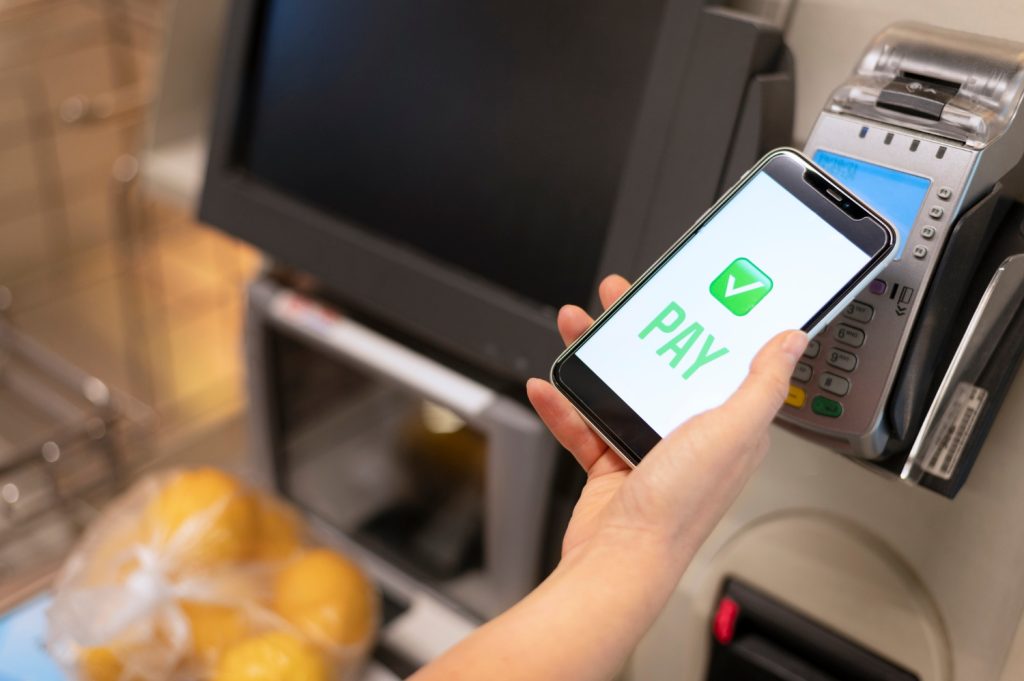
For customers, the most obvious advantage is immediate fraud detection. If someone gains unauthorized access to an ATM card, the account holder receives an alert within seconds. This rapid notification allows the customer to contact the bank, temporarily freeze the card, or report fraud before additional transactions occur.
Financial awareness also improves considerably. Many individuals struggle to monitor spending accurately, especially when making multiple purchases throughout the day. Instant alerts provide continuous updates that help users stay within budgets, avoid accidental overspending, and maintain better control over their finances.
Parents and families benefit as well. Many banks offer linked accounts where parents receive notifications whenever children’s debit cards are used. This feature promotes responsible financial habits while allowing guardians to monitor spending activity.
Business owners also find transaction alerts valuable. Companies issuing debit cards to employees can monitor business expenses in real time, reducing unauthorized spending and improving expense management.
Banks gain significant operational benefits from these systems. Faster fraud reporting reduces financial losses because unauthorized transactions are identified earlier. Investigation costs decrease when incidents are reported immediately rather than after lengthy delays.
Customer service quality also improves. When customers receive instant updates, they often require fewer account inquiries since transaction details are already available through notifications. This reduces call center workloads while increasing customer satisfaction.
Transaction alerts also encourage greater engagement with digital banking platforms. Customers who frequently receive notifications are more likely to use mobile banking applications, explore additional financial services, and adopt digital payment solutions offered by their banks.
Trust represents another valuable outcome. Customers feel more confident knowing that every ATM withdrawal, point-of-sale purchase, online payment, or declined transaction generates immediate confirmation. This transparency reduces uncertainty and strengthens customer loyalty.
Banks additionally collect valuable behavioral insights through notification systems. By analyzing customer interactions with alerts, financial institutions can improve fraud detection algorithms, personalize security settings, and develop better digital banking experiences while respecting privacy regulations.
Overall, real-time alerts transform banking into a more interactive and secure experience where customers remain continuously informed about their financial activity.
Technology Behind Instant ATM Card Notifications
Delivering transaction alerts within seconds requires sophisticated technology working behind the scenes. Modern banking systems integrate payment processing networks, fraud detection engines, mobile applications, cloud infrastructure, and secure communication platforms to ensure customers receive timely notifications.
The process begins whenever an ATM card is used. Whether the transaction occurs at an ATM, retail store, restaurant, gas station, or online merchant, the payment request travels through payment networks for authorization. Once approved or declined, the bank’s transaction processing system immediately records the event.
Advanced event-driven software continuously monitors these transaction streams. Instead of waiting for batch processing, modern banking platforms identify completed transactions instantly and trigger notification services in real time.
The notification engine determines the customer’s preferred communication method. Some customers prefer SMS messages, while others receive mobile app push notifications, emails, or multiple alerts simultaneously. Personal preferences can usually be customized through online banking settings.
Mobile banking applications have become the preferred notification channel because they support richer information. Push notifications may include transaction amounts, merchant names, ATM locations, account balances, maps, digital receipts, and one-touch options to dispute suspicious activity.
Artificial intelligence increasingly supports these systems by analyzing transaction patterns continuously. If unusual activity occurs—such as purchases in unfamiliar locations, unusually large withdrawals, or multiple rapid transactions—the bank may generate additional security warnings alongside standard notifications.
Cloud computing also plays an important role by enabling banks to process millions of transactions simultaneously while maintaining high availability. Scalable cloud infrastructure ensures notifications remain fast even during periods of heavy transaction volume.
Security remains central throughout the notification process. Banks encrypt customer information during transmission and avoid displaying excessive account details within notifications. Sensitive information is carefully protected while still providing enough detail for customers to recognize legitimate or suspicious transactions.
Integration with card management tools further enhances customer control. Many banking applications now allow users to freeze or unfreeze ATM cards instantly after receiving suspicious alerts. Customers can also modify spending limits, disable international transactions, or block online purchases directly from the notification screen.
Future technological developments may make alerts even more intelligent. Predictive analytics could identify unusual spending before fraudulent transactions are completed. Biometric authentication, behavioral analytics, and machine learning will likely improve both transaction security and notification accuracy in the coming years.
Conclusion
The rollout of real-time alerts for every ATM card transaction represents one of the most significant improvements in modern banking security and customer service. By providing immediate notifications whenever cards are used, banks empower customers to monitor their accounts continuously, detect fraud quickly, and maintain greater control over their financial activities.
These notification systems address growing concerns surrounding cybercrime, identity theft, and unauthorized card usage while supporting customers who expect instant access to financial information. Whether delivered through SMS, email, or mobile banking applications, transaction alerts provide transparency that strengthens trust between banks and account holders.
Financial institutions also benefit from reduced fraud losses, faster incident reporting, improved customer satisfaction, and increased engagement with digital banking platforms. As banking services become increasingly digital, instant communication plays a vital role in protecting both customers and financial institutions.
Technological advancements including cloud computing, artificial intelligence, machine learning, real-time payment processing, and advanced fraud detection continue enhancing the speed and effectiveness of transaction notifications. Future systems will likely provide even smarter alerts, personalized security recommendations, and automated fraud prevention capabilities.
Real-time ATM card alerts are no longer simply an additional banking feature—they have become an essential layer of financial security. Customers increasingly expect immediate confirmation of every transaction, while banks recognize that transparency and rapid communication are fundamental components of modern banking relationships.
As digital payments continue replacing cash and electronic transactions grow across the global economy, real-time transaction alerts will remain a cornerstone of secure financial services. Their widespread adoption demonstrates how technology can improve convenience, increase confidence, reduce fraud, and create a safer banking environment for millions of customers worldwide.